‘One’ and ‘Ones’ in English for Kids
‘One’ and ‘Ones’ in English for Kids: A Practical Guide gives parents one plain rule: use one instead of repeating a singular countable noun; use ones for a plural countable noun. “I like the red ball, not the blue one” means “the blue ball.” Children must identify each replaced noun. This guide covers patterns, exceptions, and quick home or classroom activities.
What Children Need to Understand
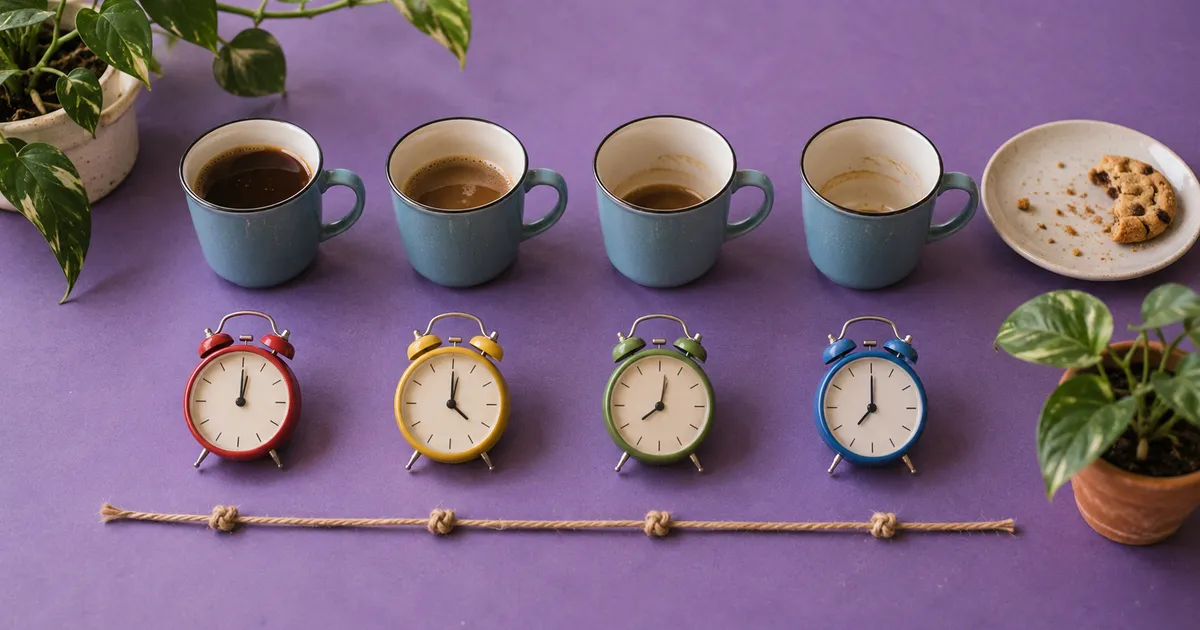
Start with replacement. Put two cups on a table: “This cup is clean. That one is dirty.” One replaces cup. Show three books and say: “The thin ones are mine.” Ones replaces books. Objects or pictures make each hidden noun obvious.
Children must distinguish number one from replacement one. “I have one apple” shows quantity; “I want the green one” means “the green apple.” Ask, “What does one replace?” Naming the hidden noun proves understanding.
‘One’ and ‘Ones’ in English for Kids: A Practical Guide emphasizes context. Speaker and listener must know the discussed object type. Without context or pointing, “I want the small one” might mean a toy, chair, or biscuit.
How One and Ones Replace Nouns
Use one for one countable thing: one coat, plate, or game. Use ones for two or more: coats, plates, or games. Each replacement keeps noun number. Answer “Which bag is yours?” with “The yellow one.” “Which bags are yours?” requires “The yellow ones.”
An adjective often precedes one or ones, identifying something without noun repetition: “a long one,” “the noisy ones,” or “those round ones.” Other forms include “this one,” “that one,” “which one,” and “the other ones.” Context keeps the unstated noun clear.
Teach ‘One’ and ‘Ones’ in English for Kids: A Practical Guide through direct comparison. Children say the full noun phrase, then replace each repeated noun. This table shows the change.
Extra details may follow each replacement. “The one with the star” identifies one object; “the ones beside the window” identifies a group. Choose this pattern when colour or size cannot identify something.
Rules and Examples in Everyday Speech
Use one after an article or describing word when discussing one item: “Can I have a clean one?” “The old bicycle is slower than the new one.” Use ones for plural hidden nouns: “These grapes are sweet, but the pale ones are sour.” Each description identifies a chosen item or group.
Practise with questions. Ask, “Which one do you want?” when offering a singular choice; ask, “Which ones do you want?” when offering multiple choices. Answers include “That one,” “The wooden one,” and “The ones with stripes.” Pointing aids comprehension, but each form must match the object count.
Bring ‘One’ and ‘Ones’ in English for Kids: A Practical Guide into daily family routines through quick choices: “Would you like the large towel or the small one?” LearnLink’s English tutors for children practise this pattern through pictures, toys, clothes, and classroom objects. Multilingual learners can compare languages, then practise English singular and plural forms directly.
When Not to Use One or Ones
Never replace an uncountable noun with one or ones. We can count bottles of water, but cannot count water similarly. Say, “I prefer cold water,” not “I prefer the cold one,” unless one means a countable item such as a bottle. “This rice is tastier than that rice” sounds clearer than “that one.”
Skip one when a possessive already replaces the noun. Answer “Which coat is yours?” with “The green one is mine” or “Mine.” Avoid “my one” in standard learning examples. Both plural answers—“The black shoes are ours” and “The black ones are ours”—work alone.
After this, that, and which, common forms include “this one,” “that one,” and “which one?” After these and those, English often drops ones: “I prefer these.” Some English varieties use “these ones,” though “these” gives learners a safe, concise choice.
Common Mistakes and Quick Corrections
Children sometimes use a singular form for a group: “I like the red one” while pointing toward three balloons. Correct this to “I like the red ones.” The reverse occurs in “Give me the small ones” when choosing one biscuit. Ask your child to count chosen objects before selecting a form.
Another mistake combines replacement and noun: “the blue one pencil” or “the soft ones pillows.” Use either noun or replacement: “the blue pencil” or “the blue one”; “the soft pillows” or “the soft ones.” Cover each repeated noun on a card to demonstrate the correction.
‘One’ and ‘Ones’ in English for Kids: A Practical Guide also prevents unclear answers. “I want one” might express quantity, select an item from a group, or replace a noun. Request useful detail when needed: “I want the orange one.” Older learners should confirm that each hidden noun remains countable and its singular or plural meaning stays unchanged.
Practice Activities for Home or Lessons
Keep practice brief, warm, and connected with visible choices. Children can point, sort, and speak before writing. Older learners can name each replaced noun and explain their singular or plural choice. These tasks build from recognition toward sentence construction.
Choose One or Ones
Fill each gap with one or ones.
1. This puzzle is easy, but that ___ is hard.
2. The small tomatoes are sweeter than the large ___.
3. Which ___ is your hat?
4. I need clean cups. Where are the clean ___?
Answers: 1. one; 2. ones; 3. one; 4. ones.
After checking, ask your learner to name every hidden noun: puzzle, tomatoes, hat, and cups. Naming demonstrates comprehension instead of reliance on nearby-word guessing.
Make the Sentence Shorter
Replace the repeated noun with one or ones.
1. The glass bowl is heavier than the plastic bowl.
2. I like the books with animal pictures.
3. Is your lunch box the square lunch box?
Answers: 1. The glass bowl is heavier than the plastic one. 2. I like the ones with animal pictures. 3. Is your lunch box the square one?
For speaking practice, display safe household objects. Take turns requesting something without repeating its noun. Every request needs enough detail to identify the intended object.
Ask and Answer
Complete each answer with your own detail.
1. Which cup would you like? The ___ one.
2. Which socks will you wear? The ___ ones.
3. Which book should we read? The one ___.
4. Which pictures should we keep? The ones ___.
Possible answers include “the tall one,” “the warm ones,” “the one about space,” and “the ones from our holiday.”
When a word has several meanings or pronunciations, Cambridge Dictionary is a useful check before turning it into child-friendly examples.
Frequently Asked Questions
What Is the Simplest Way to Explain One and Ones?
Say that one replaces one thing’s name; ones replaces a group’s name. Show objects: “I want the green cup, not the red one.” ‘One’ and ‘Ones’ in English for Kids: A Practical Guide starts with this visible contrast, then adds written rules, longer descriptions, and exceptions.
At What Age Can a Child Learn This Grammar?
Children can learn this pattern after comparing familiar objects and understanding singular and plural meaning. Young learners may begin with pointing games such as “Which one?” Older children can study countable nouns, uncountable nouns, and sentence structure. Match each task to your child’s language experience, not a fixed age deadline.
Why Does My Child Use One for Plural Objects?
Your child may notice the choice but miss the object count. Place one object beside a group; contrast “the red one” with “the red ones.” Ask your child to count selected objects before answering. Brief repeated contrasts clarify number differences.
Can One and Ones Replace Every Noun?
No. They replace countable nouns already identified through conversation or context. One replaces a singular countable noun; ones replaces a plural countable noun. Uncountable nouns such as rice, music, or water need another structure unless one identifies a countable container or item.
How Can a Multilingual Child Practise Without Translating?
Use objects, pictures, and choices; context supplies meaning. Ask your child to select “the long one” or “the round ones,” change the objects, and repeat. Translation may clarify a difficult point, but direct English practice connects each form with singular or plural meaning.
Start your child's English journey today — book a trial lesson with LearnLink.
Stay updated on our latest tips and resources by following us on Instagram LearnLink.